

Are We Becoming Too Obsessed With “Social First”?

Social-first has become so dominant that marketers sometimes confuse being visible with being valuable.
A brand doesn’t need to be relevant to everyone, understood by everyone, or talked about by everyone. It needs to mean something to the right people.
Somewhere along the way, “social-first” stopped being a strategic consideration and became a default instruction.
Make it social-first.
Make it shareable.
Make it culturally relevant.
Make people talk about it.
But here’s the question:
Does everything really need to be relevant to everyone?
Then challenge the premise.
A campaign can have millions of views and still leave people with very little understanding of what the brand actually stands for.
And sometimes, a campaign that reaches fewer people but creates deeper understanding within the right community can be much more valuable.
1. Not everything needs to be relevant to everyone
Social platforms reward content that travels.
That naturally pushes marketers toward:
broad cultural references // trends // memes // controversy // entertainment // relatability // conversations that everyone can participate in
But brands don’t necessarily need everyone to participate.
A luxury brand doesn’t need to be relevant to every consumer.
A B2B product doesn’t need to become TikTok-famous.
A specialist skincare product doesn’t need to become a cultural phenomenon.
A niche travel experience doesn’t need millions of people talking about it.
And that’s okay. Relevance is not the same thing as universality. The question shouldn’t always be:
“How can we make this relevant to more people?”
Sometimes it should be:
“How can we become more meaningful to the people who actually matter to this brand?”

A luxury brand doesn’t need to be relevant to every consumer.
2. Being known ≠ being understood
KNOWN
People have seen you.
UNDERSTOOD
People know what you stand for, why you matter, and where you fit into their lives.
Social-first marketing can be extremely good at creating recognition. But recognition isn’t necessarily understanding.
A consumer might know:
“Oh yeah, I’ve seen that brand everywhere.”
But can they answer:
What does this brand actually offer?
Why should I choose it?
What does it believe in?
Why is it different?
When would I actually need it?
Why does it matter to me?
That’s the difference between attention and meaning.
Being seen is a media outcome. Being understood is a brand outcome.
3. Social shouldn’t always be an amplification channel
The traditional model is:
Brand creates message → Social distributes message → More people see it
What if social is:
Brand → Community → Conversation → Understanding → Relationship
The social account shouldn’t always behave like a broadcast channel. It can behave like a room where the brand and its community actually meet. That’s a very different mindset.
4. The problem with overnight attention
Social rewards immediacy. Something can happen at 10 AM and become:
Viral → trending → discussed → remixed → forgotten
by the end of the day. Marketers can easily become addicted to that cycle.
“How do we make people talk about us?”
But the better question might be:
“What do we want people to remember about us after they stop talking about us?”
Because conversation is not an automatic connection. And virality is not automatically community.

5. Build a community, not just an audience
An audience asks:
“How many people saw this?”
A community asks:
“Who keeps coming back?”
An audience can be passive.
A community can:
respond
participate
ask questions
share experiences
defend the brand
challenge the brand
recommend the brand
create conversations without the brand initiating them
So instead of constantly asking:
“How do we amplify this?”
Brands should sometimes ask:
“How do we deepen the relationship with the people already here?”
That changes how you measure social.
Not only:
Reach → Views → Engagement
But also:
Participation → Conversation → Affinity → Trust → Advocacy
6. Social-first doesn’t mean social-only
Social can absolutely be the right starting point.
But sometimes the right strategy is:
Brand-first → consumer-first → channel strategy
rather than:
Social-first → force everything into social
The platform should serve the strategy. Not the other way around.
Social is a powerful place to build a brand. It shouldn’t become the reason a brand exists the way it does.
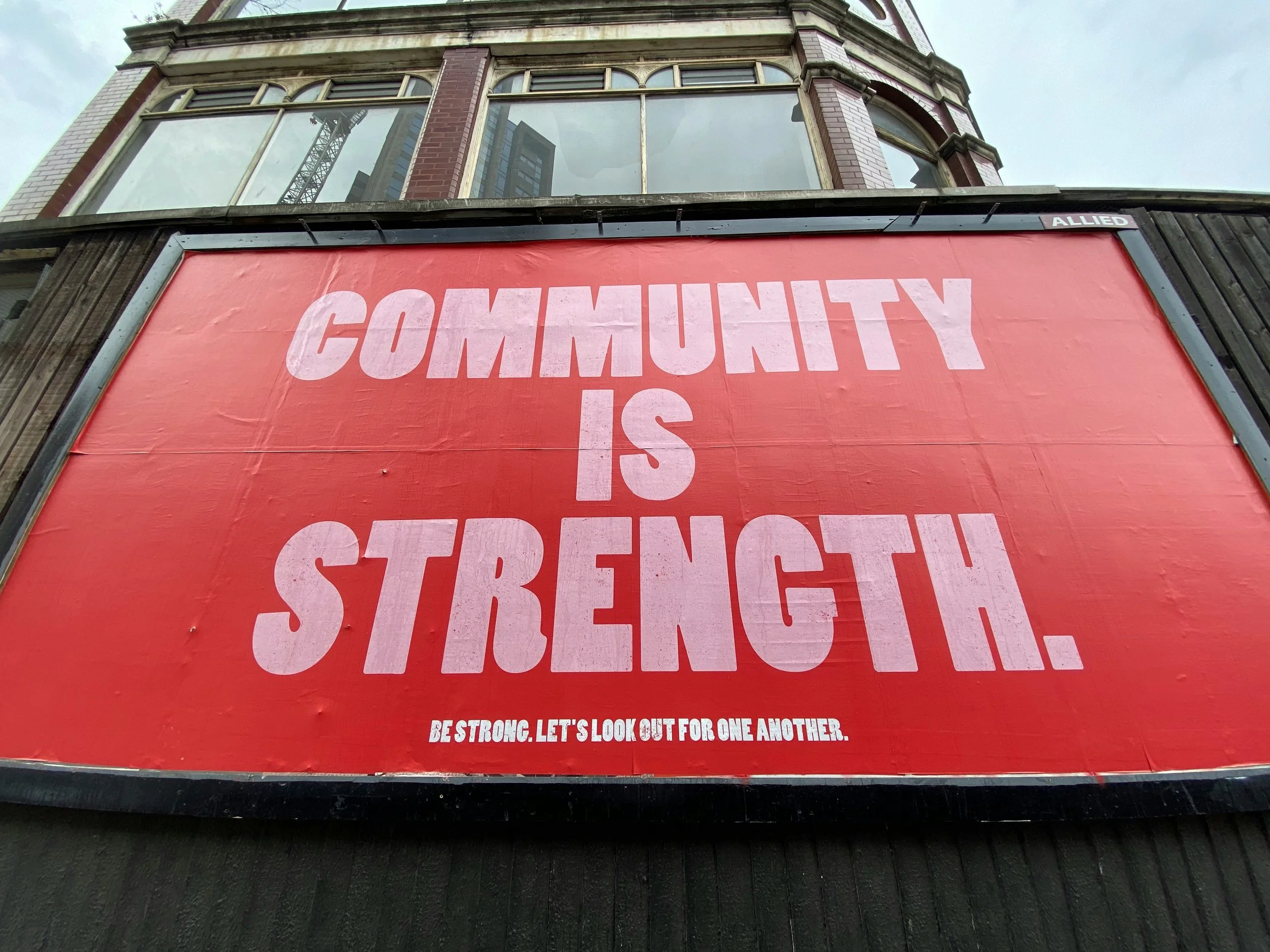
Maybe the goal of social isn’t to make everyone care.
Maybe it’s to make the right people care more.
We don’t need every campaign to become a cultural moment.
We don’t need every brand to be universally relevant.
We don’t need every post to generate millions of views.
Sometimes, the most valuable social strategy is the one that helps a brand become better understood by the people it actually wants to build a relationship with.
At J.Z Private Consulting, we look beyond the question of whether something can perform on social.
We ask whether it has a reason to exist there in the first place. Because social strategy isn’t simply about creating attention.
It’s about deciding who you want to reach, what you want them to understand, and what relationship you want to build after the attention is gone.
J.Z Private Consulting
Professional. Precise. Progress.
