

Why Do Brands Say No to an Influencer? The Problem Might Be Your Pitch
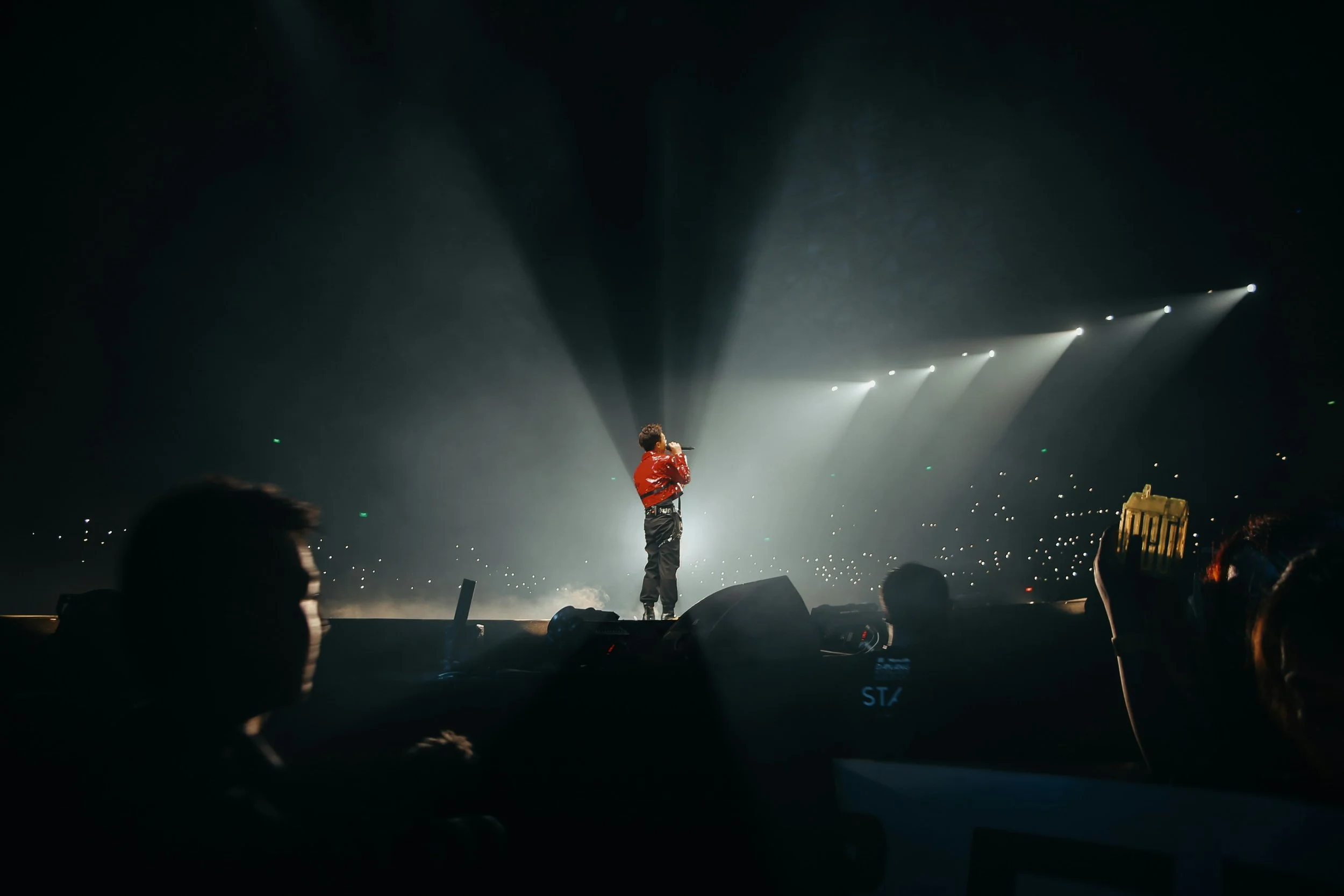
Why do brands say no to influencers? The answer may not be the creator. Explore how a funnel-based influencer strategy can turn one creator partnership into a long-term growth opportunity.
Have you ever wondered why a brand says no to an influencer—even when the creator looks like the perfect fit?
Maybe the creator has the right audience.
Maybe the engagement rate looks great.
Maybe the content quality is exactly what the brand wants.
And yet, the answer is still no.
After working across brands, agencies, creators, and different markets, I’ve learned that sometimes the problem isn't the influencer.
It’s how we frame the opportunity.
Stop treating influencers as one-off narratives
One of the biggest mistakes in influencer marketing is treating a creator as a single campaign asset.
A creator posts.
The audience sees it.
The campaign ends.
But what if the creator could play a role across the entire customer journey?
Take a YouTube creator as an example.
A creator could use Shorts to generate awareness and capture attention. Their long-form content could then deepen consideration by educating, demonstrating, or contextualizing the product. The Community tab can continue the conversation, while a deeper creator relationship could eventually turn existing subscribers into a loyal audience for the brand.
Suddenly, you're not looking at one sponsored video.
You're looking at a funnel.
Are we putting all our eggs in one basket?
No—if we build the investment by phase.
The goal isn't to predict that one influencer will magically deliver the entire campaign outcome.
Instead, define what success looks like at each stage:
Awareness → Attention → Consideration → Conversion → Loyalty
Then evaluate the real outcome of each step.
Did Shorts generate incremental reach?
Did long-form drive meaningful consideration?
Did the community continue the conversation?
Did clicks or conversions happen?
Did the creator's audience become more familiar with the brand?
This is why I believe we shouldn't estimate an entire influencer campaign from one PowerPoint slide.
We should build, test, learn, and optimize.
But why do brands still say no?
Because the pitch often asks them to believe in the influencer, rather than understand the opportunity.
Follower count and engagement rate can tell you something, but they don't tell you everything.
Instead of asking only:
“How many followers do they have?”
Consider asking:
“What is this creator's audience actually doing?”
Look at their historical view growth.
Look at recurring content performance.
Look at how their audience responds over time.
Look at which formats consistently attract attention.
A creator with a growing organic audience may represent a much stronger long-term opportunity than someone with a larger but stagnant following.
The question shifts from:
“How much should we pay this influencer for one post?”
to:
“What could we build with this creator's existing audience?”
Go deeper, not simply wider
Of course, this approach comes with a challenge: Test and learn.
Going deeper with fewer creators means you may not have the immediate comfort of a massive talent list.
But the potential upside is significant.
Instead of buying hundreds of isolated impressions, you're investing in relationships, content ecosystems, audience behavior, and repeat opportunities.
The winning strategy isn't always the one with the widest creator roster.
Sometimes, it's the one that understands where to go deeper.
Before pitching an influencer, ask one more question
What is the brand narrative we are trying to build?
Once that is clear, you can identify creators who have the ability to develop that narrative—not simply distribute it.
That's where influencer marketing becomes more than a media placement.
It becomes creator partnership.

At J.Z Private Consulting, I look beyond the immediate collaboration.
The focus is on understanding growth possibilities, how a creator, brand narrative, audience, and business objective can work together beyond a single paid activation.
Because sometimes the best influencer strategy isn't about finding more talent.
It's about finding more potential in the right talent.
Want to rethink how your next creator partnership could work? Let's talk.
J.Z Private Consulting
Professional. Precise. Progress.
